Strength Creates Better Views
Its high strength supports larger sizes and slimmer sightlines, leaving more area for daylight and views.
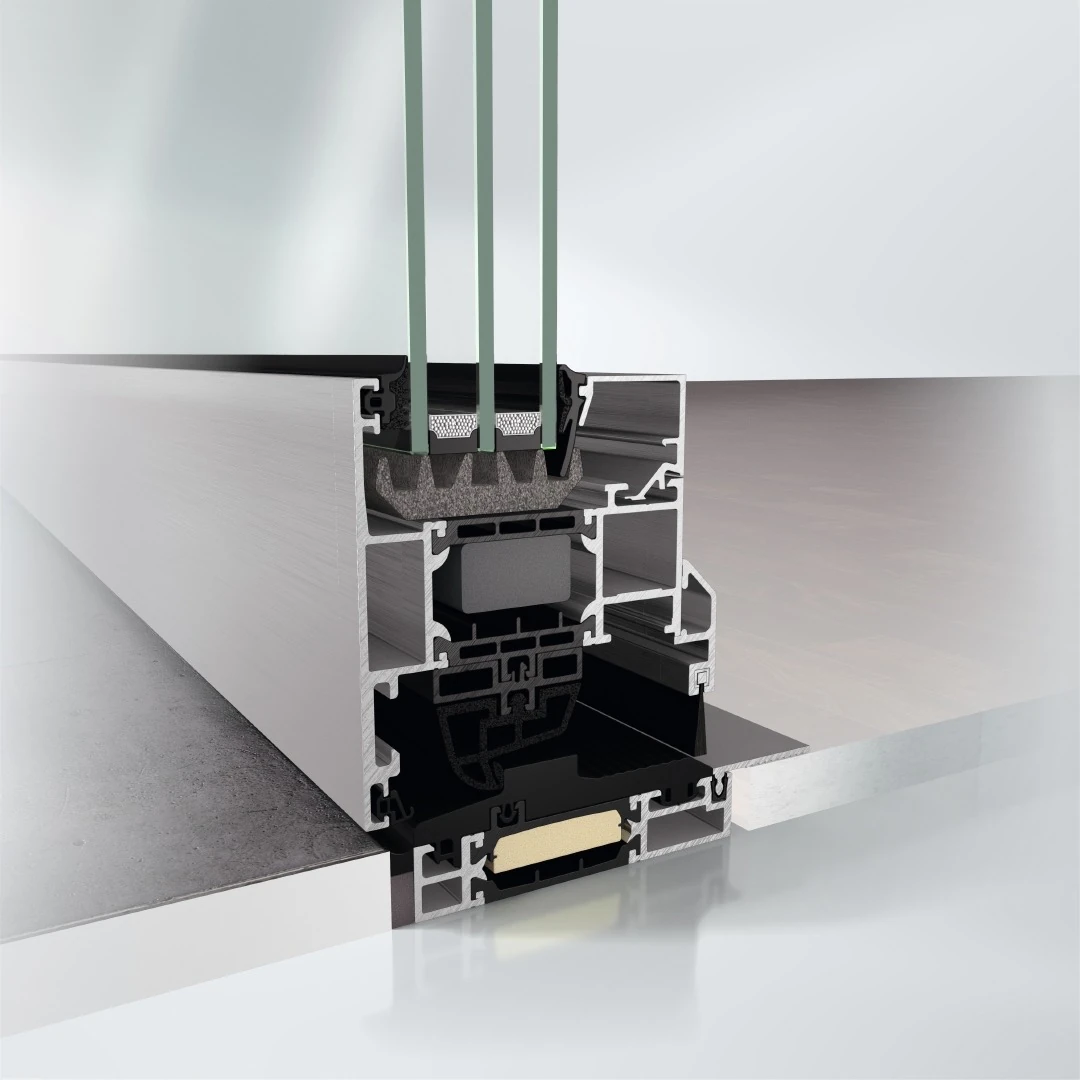
Aluminum supports large glass areas with slim profiles. When properly designed, it becomes a durable window system that balances thermal performance, daylight, comfort, and security.
Aluminum is lightweight, strong, and corrosion resistant. Because metal conducts heat well, a morn high-performance window depends on a thermally broken frame and the precise interaction of glazing, edge spacers, seals, and installation.
Its high strength supports larger sizes and slimmer sightlines, leaving more area for daylight and views.
Insulating struts separate the interior and exterior aluminum shells. Additional insulation zones improve frame performance.
Thermal performance, solar control, sound reduction, and security can be combined. Climate, orientation, and use determine the glazing configuration.
Multiplicityple seal levels, suitable hardware, and a properly executed wall connection protect against drafts, wind-driven rain, and moisture.
Select an opening type. In the turn-tilt window, you can switch between "Open completely" and "tilt position".
Opening laterally in the room - comfortable to clean.
Topped — safe fission ventilation in rain.
Handle on the right: fully open. Handle above: comfortable tipping.
The sash opens to the outside — the interior remains completely free.
Two sashes without a fixed bridge — after opening, the center remains free.
Both sashes can be opened; the fixed central post remains.
Further variants: fixed glazing · swing vans · vertical sliding window.
One strong rating alone does not make a good window. Lasting comfort comes from matching the frame, glazing, seals, hardware, and installation.
The aluminum frame carries the glazing weight and wind loads. System depth, chambers, and reinforcements are selected for the unit size and installation conditions.
Insulating struts interrupt the direct path of heat between outdoors and indoors. Insulation inserts further improve critical areas.
Double or triple glazing, low-e coatings, gas fills, and warm-edge spacers determine thermal performance, solar heat gain, and daylight.
Continuous seal levels manage water and limit unwanted air leakage.
Hardware transfers loads and locks the sash. The wall connection should be airtight on the interior, insulated through the center, and weather protected on the exterior.
Always compare the complete tested window in the planned size and glazing configuration. Glass-only or frame-only values do not describe total product performance.
Uw rates the complete window, including frame, glazing, and edge spacer. In the European system, a lower value means better insulation.
Do not confuse it with Ug or Uf.The NFRC U-Factor also describes heat flow through the entire product, but in U.S. units. A lower value is better here as well.
Compare only ratings based on the same standard and units.SHGC indicates how much solar heat enters through the window. A lower value reduces summer heat gain; a higher value can take advantage of winter sun in cold climates.
Climate, orientation, and shading determine the right value.Visible Transmittance describes the amount of visible light. Higher values provide more daylight but should be balanced with glare and solar control.
More glass does not automatically mean more comfort.A lower air-leakage rating indicates a tighter unit. Opening type, seals, hardware adjustment, and installation all affect the result.
Check the tested size and configuration.The NFRC Condensation Resistance Index indicates resistance to condensation. A higher rating is better.
Indoor humidity and outdoor temperature still matter.The right window is not a checklist of maximum ratings. It is the right balance of thermal performance, solar gain, daylight, ventilation, acoustics, and budget for the specific site.
Select a marker. The view zooms into that functional area and explains how it contributes to the complete system.
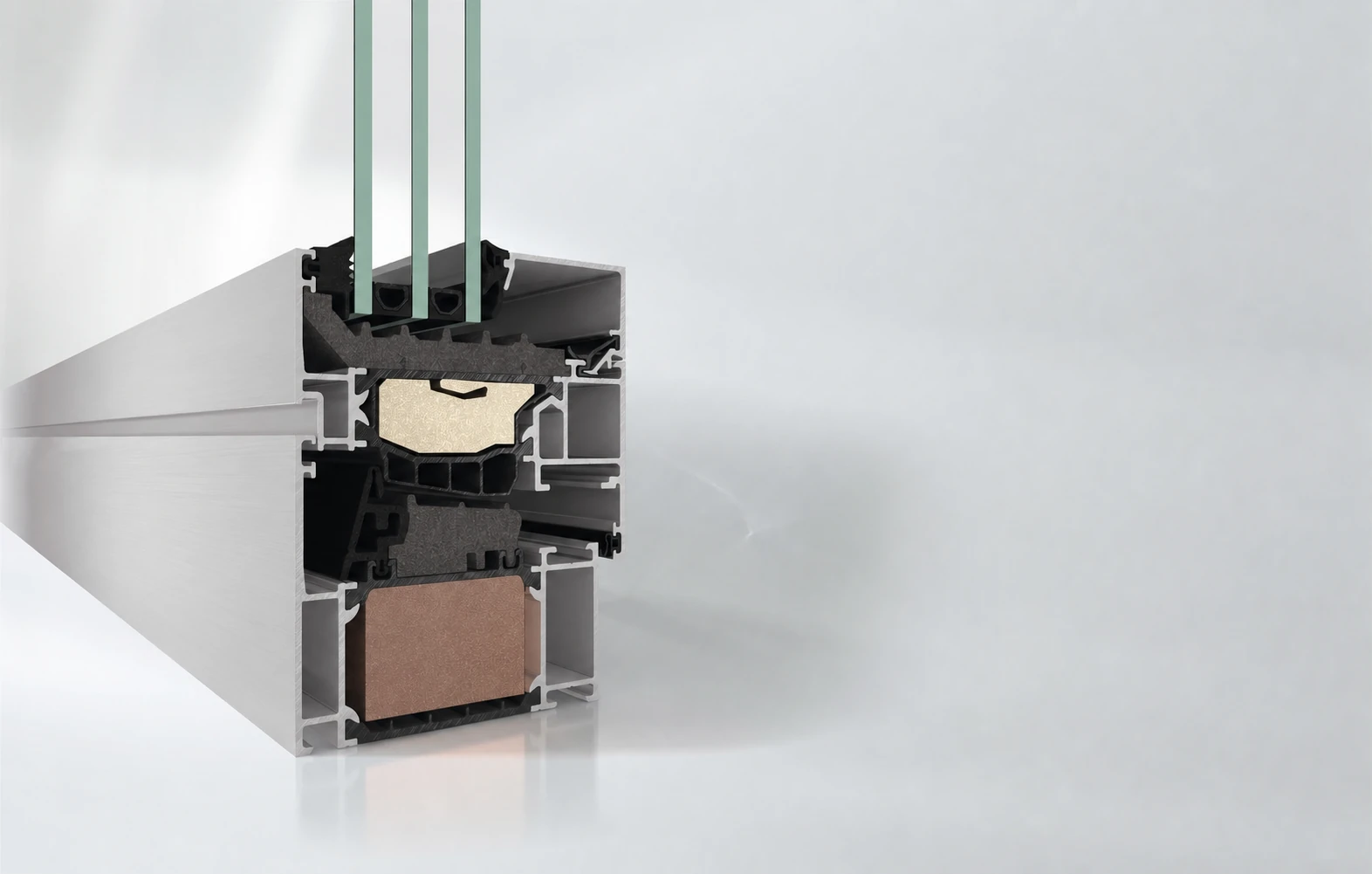
Aluminum is dimensionally stable, corrosion resistant, and easy to maintain. A suitable finish, regular cleaning, and maintenance of seals and hardware are also essential for a long service life.
High load capacity supports panoramic units, heavy glazing, and clean architectural sightlines.
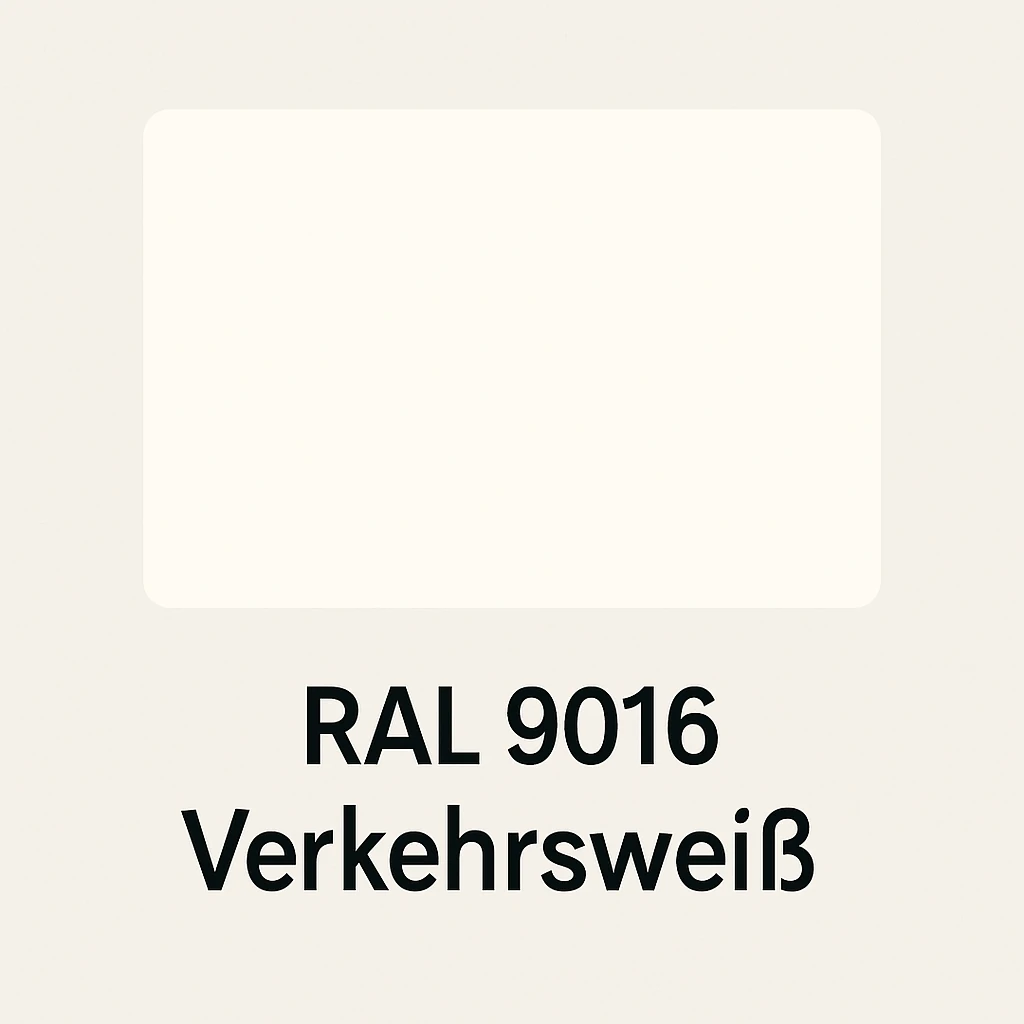
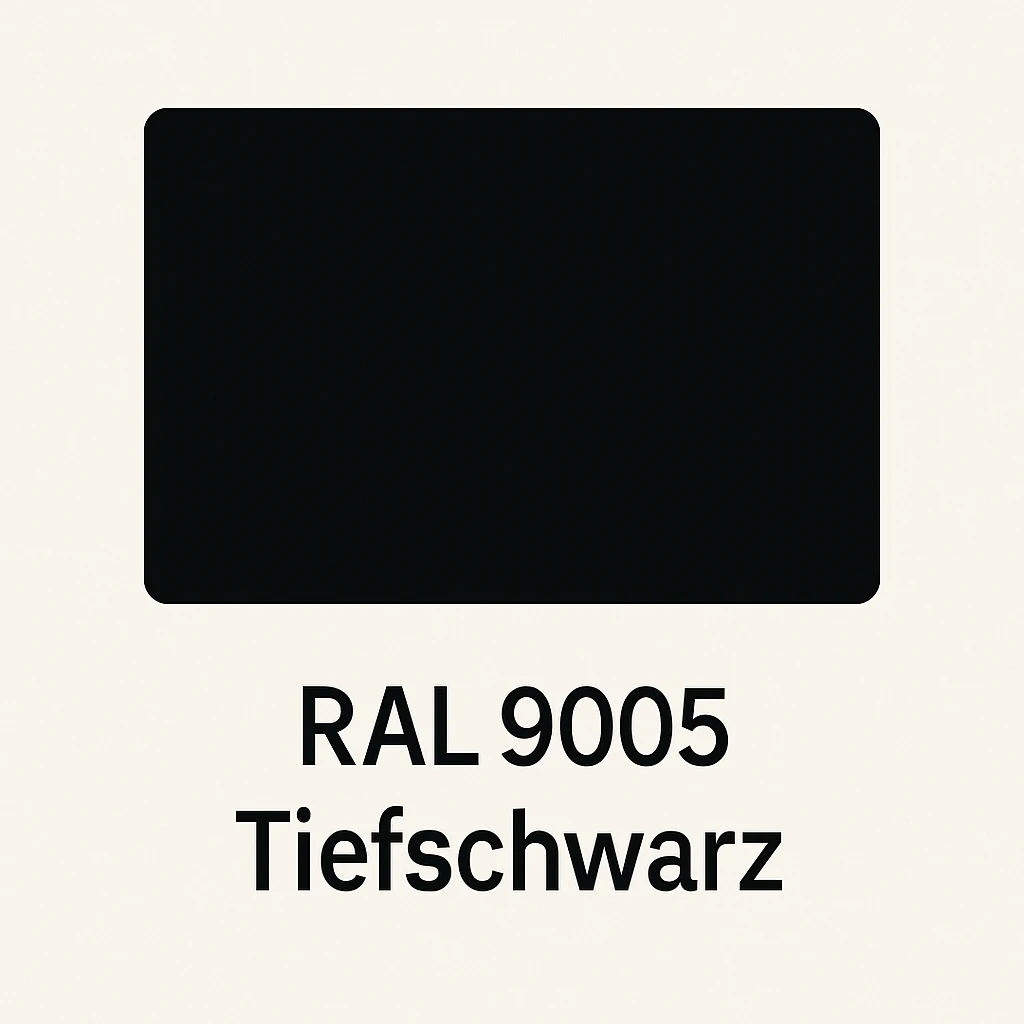
Powder coating or anodizing protects and defines the frame. Exposure, color, and location determine the right specification.
Aluminum can be recycled repeatedly. Design for disassembly, clean material separation, and recycled content improve its environmental profile.
Accessible operation, concealed hardware, opening restrictors, sensors, and forced-entry resistance can be combined for the intended use.
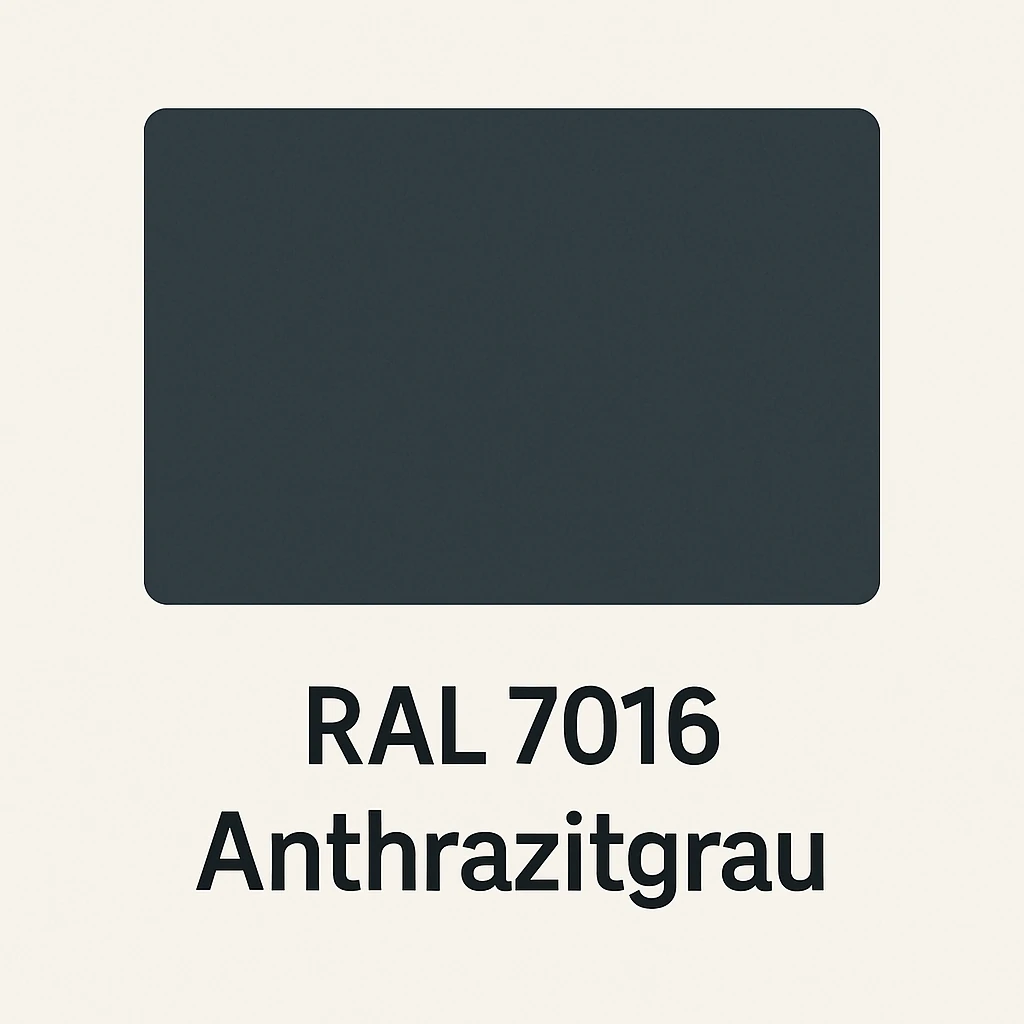
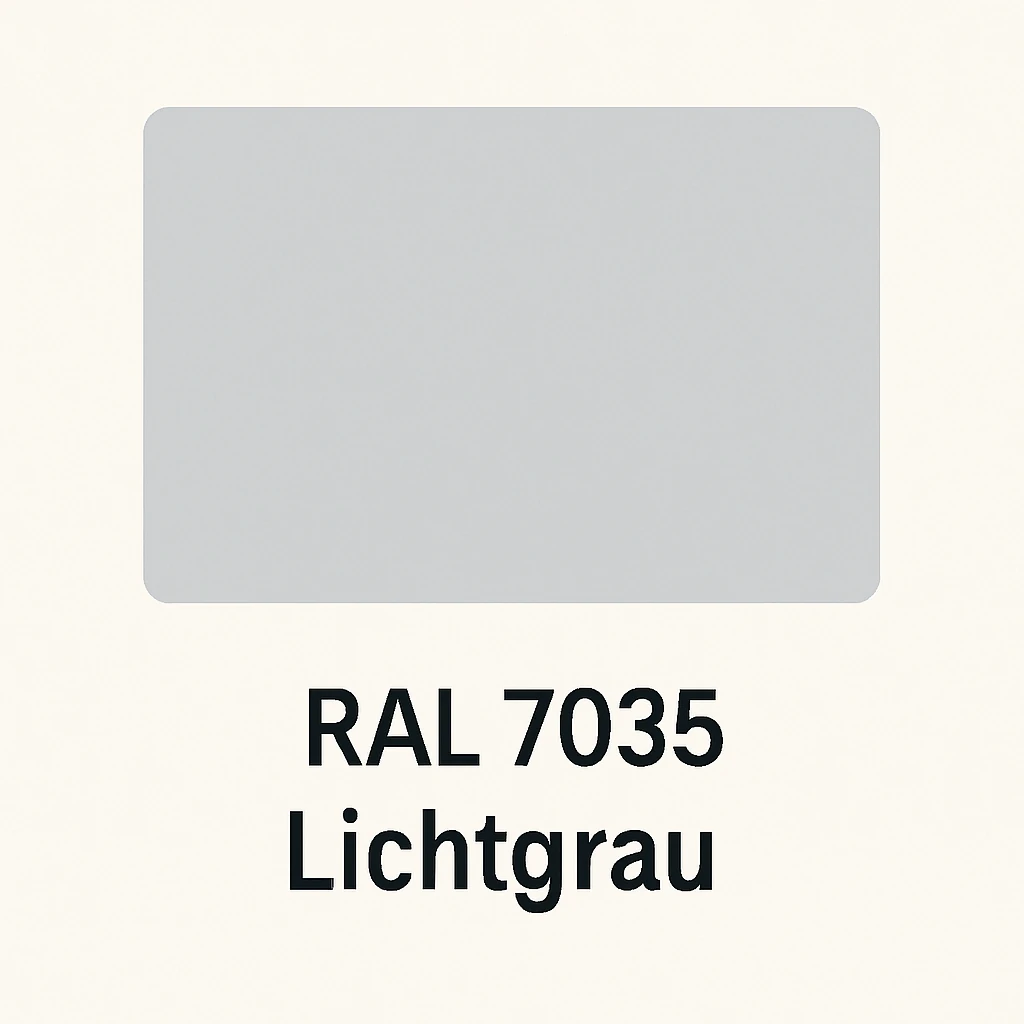
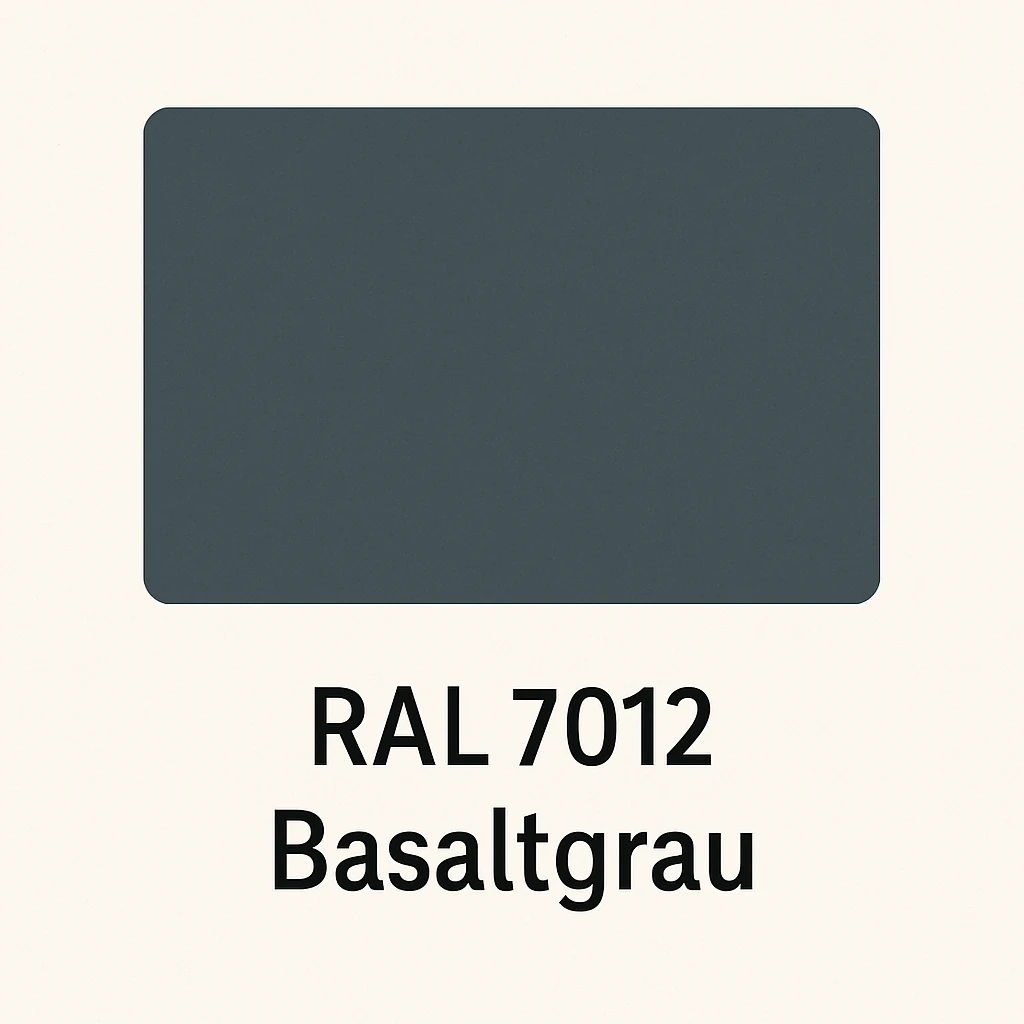
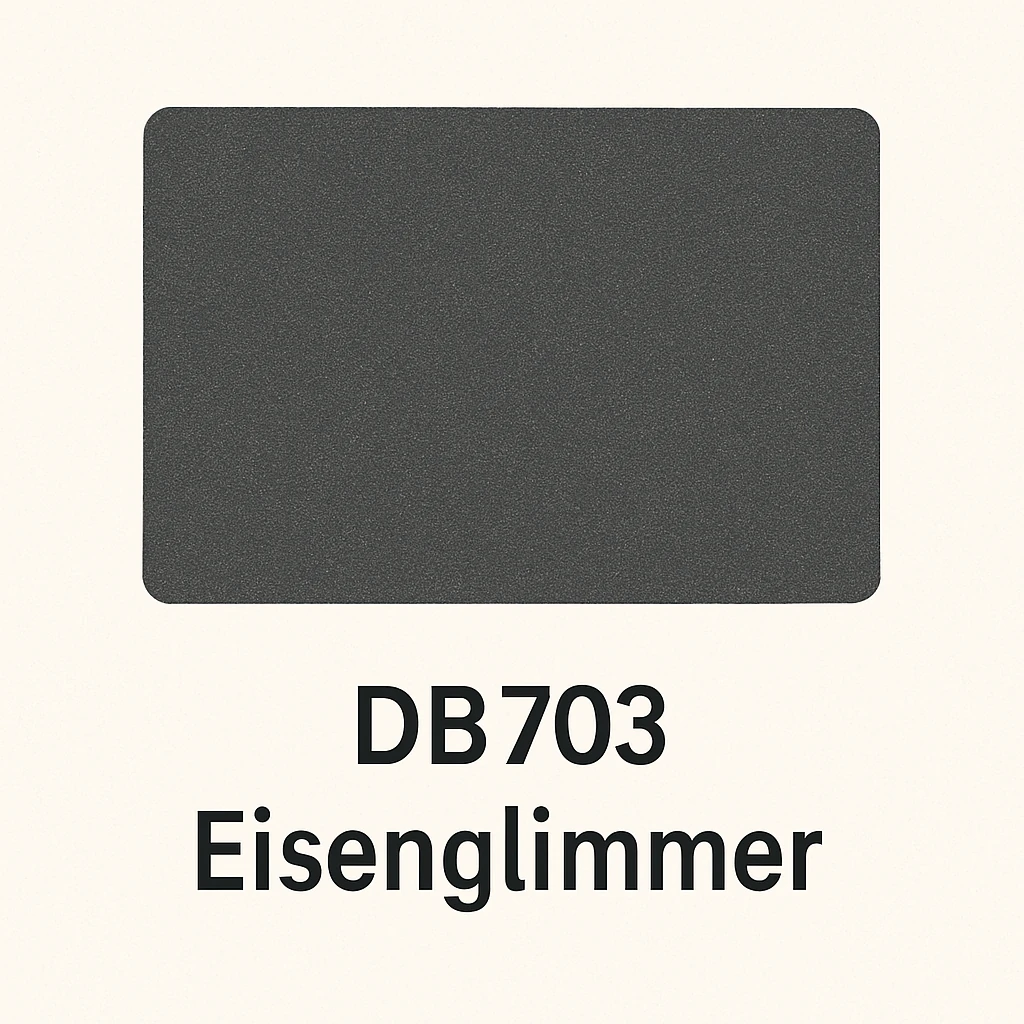
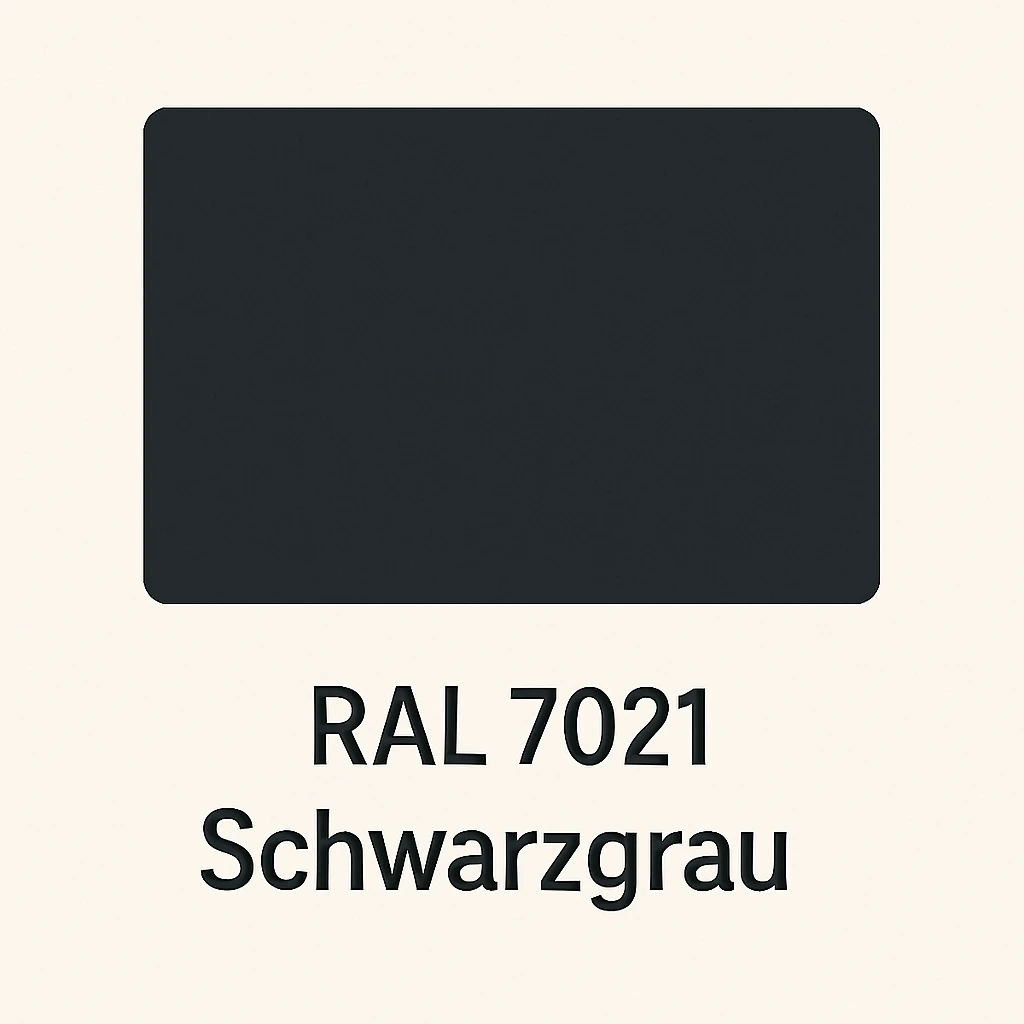
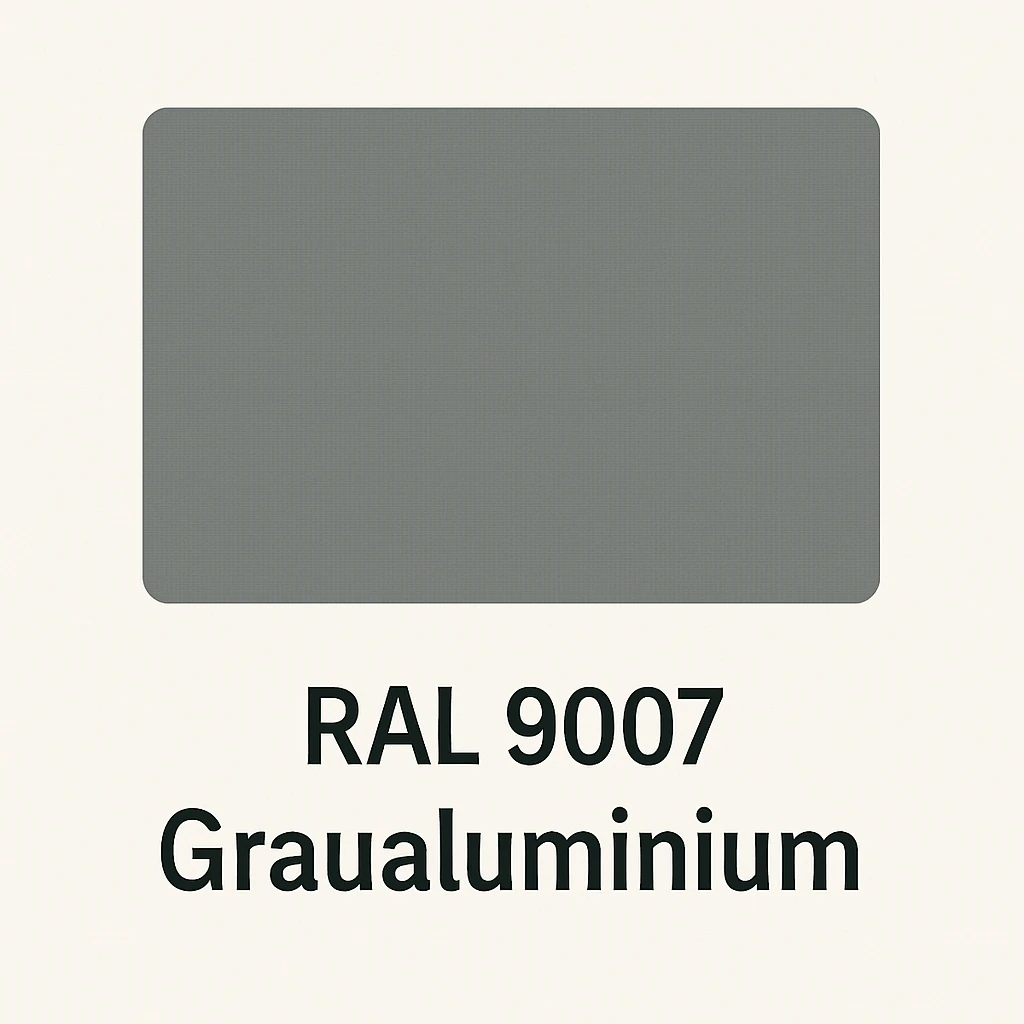
RAL powder coatings offer a wide range of colors and textures, while anodizing emphasizes the metallic character. Coastal and industrial environments call for enhanced pretreatment matched to the corrosion exposure.
Good planning does not start with a frame series. It starts with the site, architecture, and use — which determine the system, glazing, opening type, and installation details.
Document climate, wind, building height, coastal exposure, orientation, and shading.
Clarify views, ventilation, operating height, accessibility, cleaning, and security.
Define whole-window U-value, SHGC/g-value, daylight, acoustics, air leakage, and water resistance for the project.
Coordinate unit sizes, glazing weights, anchoring, sealing, drainage, and maintenance access.
Send us the dimensions, preferred opening types, and project location. We organize the requirements and identify suitable Schüco, Reynaers, and ETEM systems.